
|
Understanding how to choose jeans is not based on trends or habits. Body shape, size, cut, and function determine the actual look once worn. A silhouette gains balance when the jeans respect the curves, support the buttocks, and follow the natural line of the legs. Conversely, an ill-fitting cut accentuates the stomach, impairs posture, or compresses the shoulders. Every woman has specific proportions. Hips, waist, and leg length influence the choice between a straight cut, slim jeans, bootcut jeans, or a high waist. Understanding these parameters allows you to find the right jean size, one that enhances the silhouette and ensures lasting comfort. This page offers a clear guide to understanding how to choose jeans, taking into account different body types, cuts, and uses. The objective remains simple: identify the right jeans, those that fit the body, respect the size, and last over time.
|
Body Shape and Function: The Basics for Choosing Good JeansBody shape is the first reference point for choosing appropriate jeans. It does not reduce a silhouette to a fixed category. It describes a set of proportions between the shoulders, waist, hips, and leg line. These relationships directly influence how jeans fit the body, support the buttocks, and structure the overall look. There are several different body types. Some silhouettes have shoulders aligned with the hips. Others feature generous hips or an undefined waist. A body shape with a defined waist does not require the same choices as a straight silhouette. Identifying this point avoids repeated errors, particularly regarding size or leg opening. The function of the jeans plays a complementary role. Jeans worn all day do not meet the same expectations as a pair reserved for a special occasion. Comfort, freedom of movement, and durability then take on concrete value. Good jeans support daily movements without pulling on the stomach or compressing the waistband. |

|
|
The relationship between body shape and silhouette remains close. A well-chosen cut balances volumes, adds verticality, and enhances posture. A straight cut often suits many shapes because it respects the natural line of the leg. Slim jeans emphasize contours more and require particular attention to the right size and material. Bootcut jeans help rebalance certain silhouettes, especially when the shoulders appear narrow compared to the hips. The high waist deserves precise consideration. It supports the stomach, structures the pelvis, and smooths curves when it corresponds to the body shape. For some silhouettes, it enhances the buttocks and lengthens the leg. For others, a mid-rise offers a more natural look. The ideal jean size always depends on the actual placement of the waist on the body, not a number. The value of the silhouette also lies in visual continuity. An ill-fitting cut breaks the line, even on well-made jeans. Conversely, a good jean cut compensates for minor details. This principle applies to women's jeans as well as men's jeans, even if the volumes differ. |
 |
 |
Good Jean Cut and Silhouette: Understanding the Real Impact of ShapesThe jean cut directly influences the silhouette. It affects the perception of volumes, the leg line, and the balance between shoulders and hips. Many associate cut with a matter of style. In reality, it primarily responds to a logic of proportions and comfort. A good jean cut respects body shape, supports curves, and enhances posture without rigidity. The straight cut remains a stable reference. It follows the leg without molding it, creating a continuous line and limiting visual breaks. This type of straight jean suits many body types, including when the waist varies or the hips have more volume. The straight cut provides a clear interpretation of the silhouette and simplifies shoe selection. It is often among the safest options for everyday good jeans. Slim jeans offer a different approach. Their cut hugs the contours more, especially at the thighs and buttocks. This shape requires particular attention to size and leg opening. A well-fitted slim jean cut highlights a slender silhouette and emphasizes the line without excess. Conversely, overly tight slim jeans accentuate the stomach and create uncomfortable tension. The choice of material then plays a decisive role. |
 |
Bootcut jeans flare slightly from the knee. This cut balances proportions when the hips appear wider than the shoulders. It adds verticality and visually lengthens the leg. For some body types, bootcut jeans enhance the silhouette and facilitate pairing with distinct shoes. Their effectiveness, however, depends on the appropriate jean size and the correct positioning of the waist on the hips. Other cuts address more specific needs. The skinny cut strongly accentuates lines and requires a compatible body type. Each cut has a specific function. Knowing them helps avoid repeated errors and understand which jean cut truly suits your body. The question of leg opening is often underestimated. Too narrow, it unbalances the silhouette. Too wide, it makes the overall look heavy. The leg opening influences the visual continuity between the jeans and the shoes. A well-proportioned opening ensures a fluid transition and reinforces overall harmony. |
Good Size, Rise, and Support: Finding the Right Balance
The size influences the look of jeans more than the color or wash. It determines the support, the perception of the silhouette, and comfort over hours. A suitable jean size respects the natural placement of the waist on the body. It supports the pelvis, stabilizes posture, and avoids tension on the stomach or buttocks.
Different waist rises serve distinct functions. The high waist structures the torso and provides clear support. It helps to smooth curves when the body type has a defined waist. For some silhouettes, high-waisted jeans enhance the buttocks and visually lengthen the leg. This choice requires a precise cut and a good size to avoid any discomfort.
The mid-rise offers a balanced alternative. It follows the line of the pelvis without rising excessively. This positioning suits many body types, especially when the waist is not well-defined. Mid-rise jeans accommodate movement and limit compression, especially during prolonged wear.
A too-low waist cuts the silhouette and creates visual breaks. It accentuates the stomach and complicates support. This explains the gradual decline of this positioning in favor of better-structured rises. The ideal jean size always depends on the body type, torso length, and desired function.
The link between jean size and cut remains close. A straight cut combined with a well-placed waist ensures a fluid leg line. Slim jeans require increased attention to the waist rise to maintain comfort. For a petite size, a too-high waist can shorten the silhouette. For a tall size, it often provides better structure.
The question of pant size goes beyond a simple number. Two pairs of jeans with the same size can offer very different sensations depending on the cut and material. Feel takes precedence over the label. A good cut is appreciated standing, sitting, and in motion. The jeans should remain stable without slipping or pinching.
 |
Choosing Your Jeans: Cuts, Shapes, and Details That Make a Difference
How to choose jeans, step-by-step
Choosing jeans can be complicated. The main criterion relies on the balance between body shape, cut, size, and actual use. Every detail counts. A silhouette gains clarity when all elements interact correctly. The cut alone is never enough.
Different body types and body type with defined waist
Different body types are based on the relationship between shoulders, waist, hips, and legs. A body type with a defined waist does not express the same needs as a straight silhouette. Shoulders structure the upper body. Broad shoulders often require a stable visual base to rebalance the overall look.
Women, women's jeans, and jeans for womenFor women, jeans structure posture. A well-chosen women's jean supports the buttocks, respects the stomach, and enhances curves without rigidity. Jeans for women must meet specific expectations related to comfort, size, and cut. |
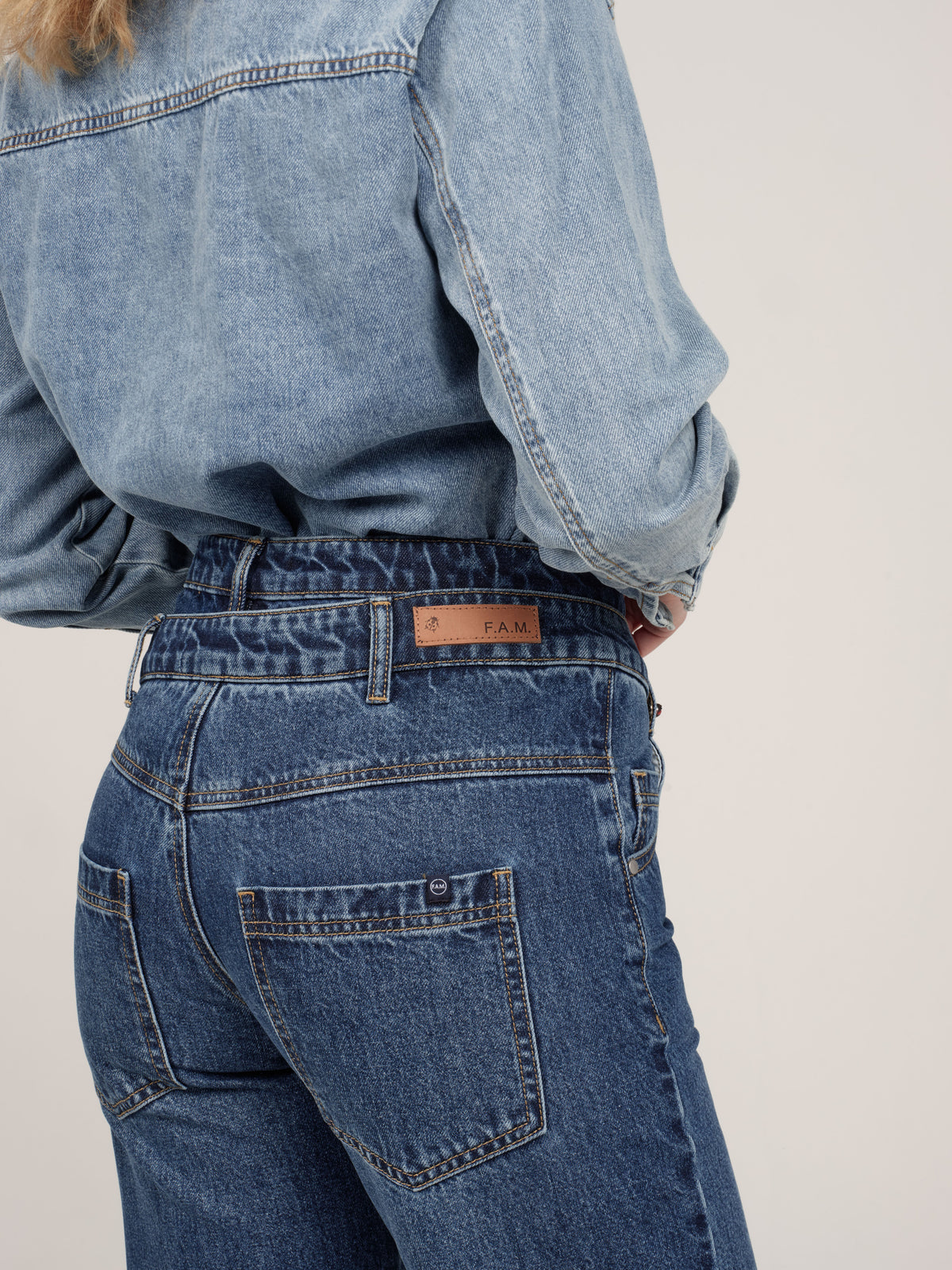
For a harmonious silhouetteBeautiful buttocks are rarely a matter of chance. A well-placed cut, an adapted size, and good material are often sufficient. This coherence adds value to the silhouette, without artifice. The cut acts as a framework, not a constraint. |
|
 |
Straight cut jeans, a classicStraight cut jeans remain a reliable base. The straight cut follows the leg without tension and creates a continuous line. This straight cut suits many body types, including plus sizes. It facilitates pairing with shoes and stabilizes the silhouette. |
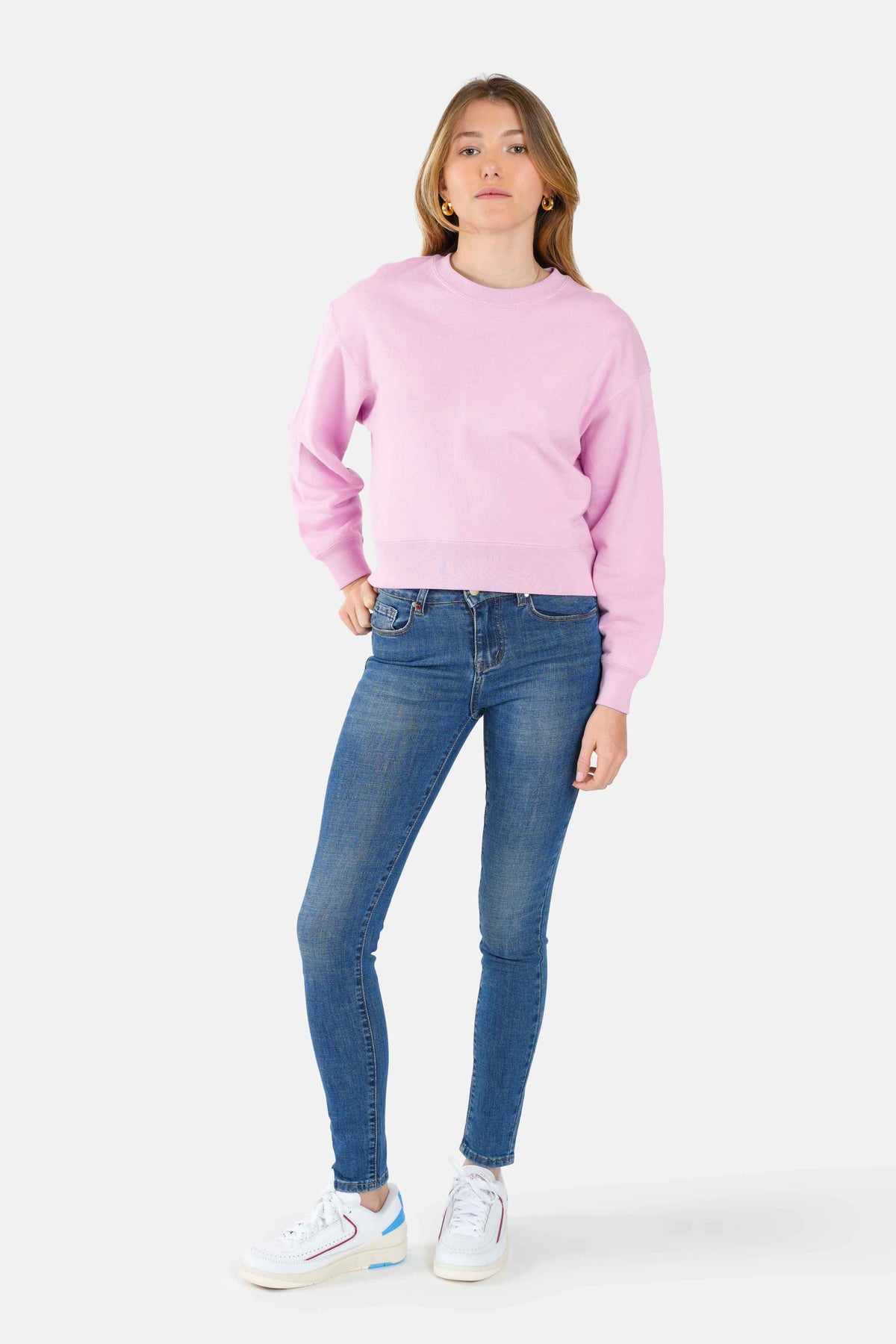
Slim cut jeans, for a slender silhouetteSlim cut jeans hug the lines more closely. A well-chosen slim cut respects the size and material. Slim jeans enhance a slender silhouette, provided they don't compress the pelvis or thighs. Particular attention to size avoids discomfort. |
 |
 |
 |
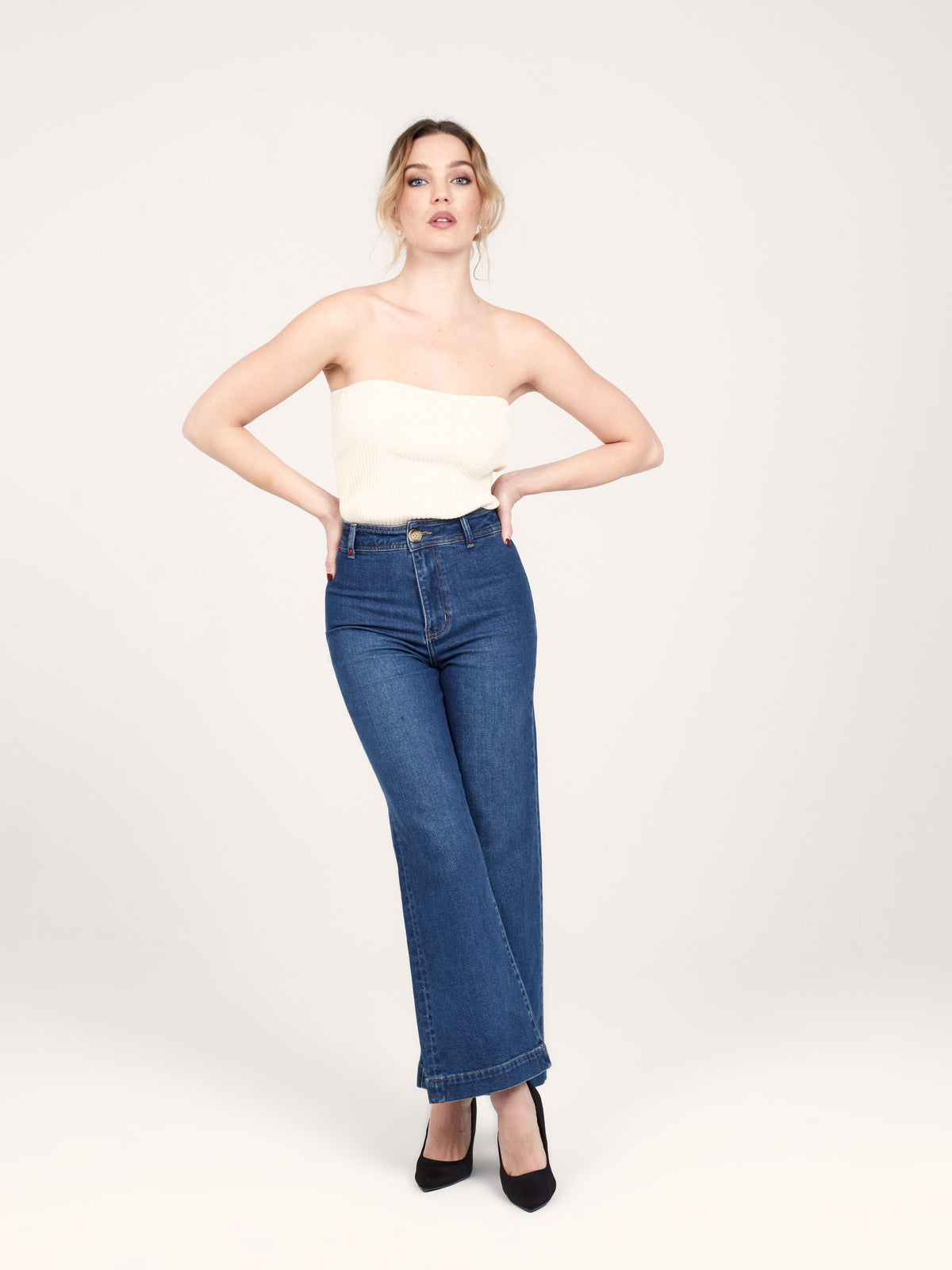
Skinny and wide cutsThe skinny cut strongly accentuates lines and requires a compatible body shape. The wide leg jean offers a more relaxed and comfortable look. These cuts meet specific needs. They do not suit all silhouettes. |
Which jean cut for which shapeThe question of which jean cut comes up often. Shapes guide the answer. Generous hips gain balance with a controlled leg opening. A petite size requires attention to the waist height to avoid a squat effect. |
 |
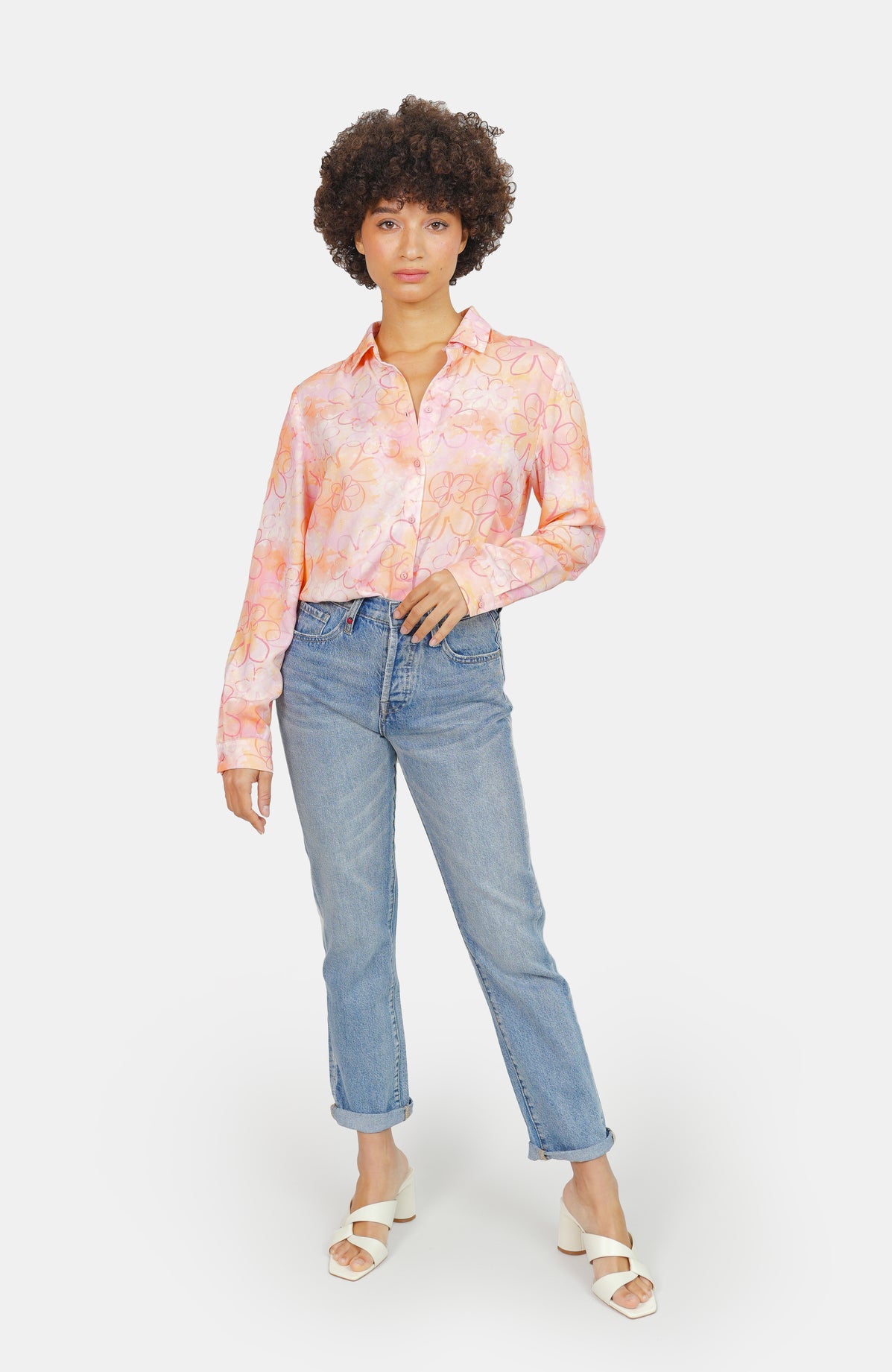 |
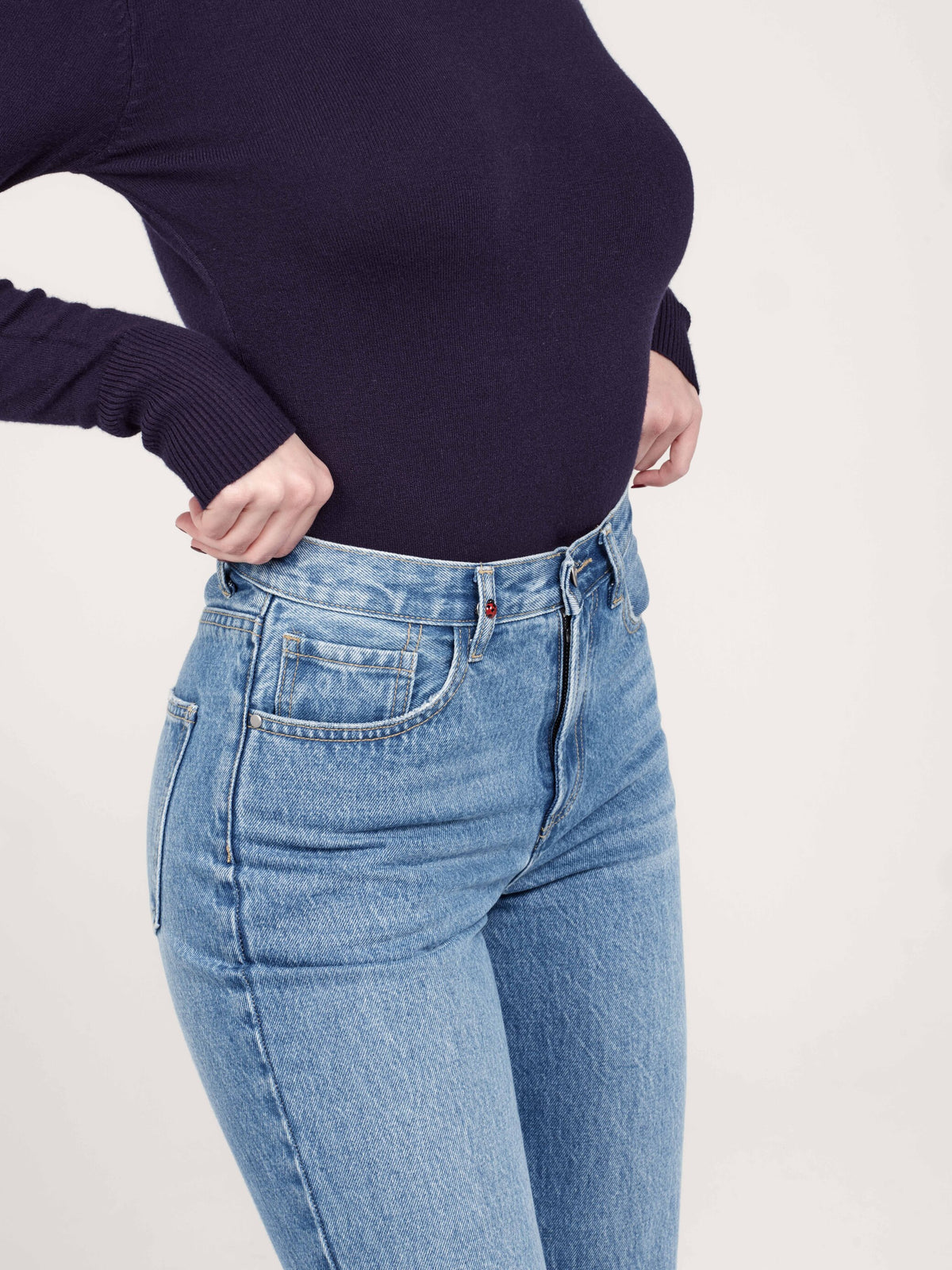
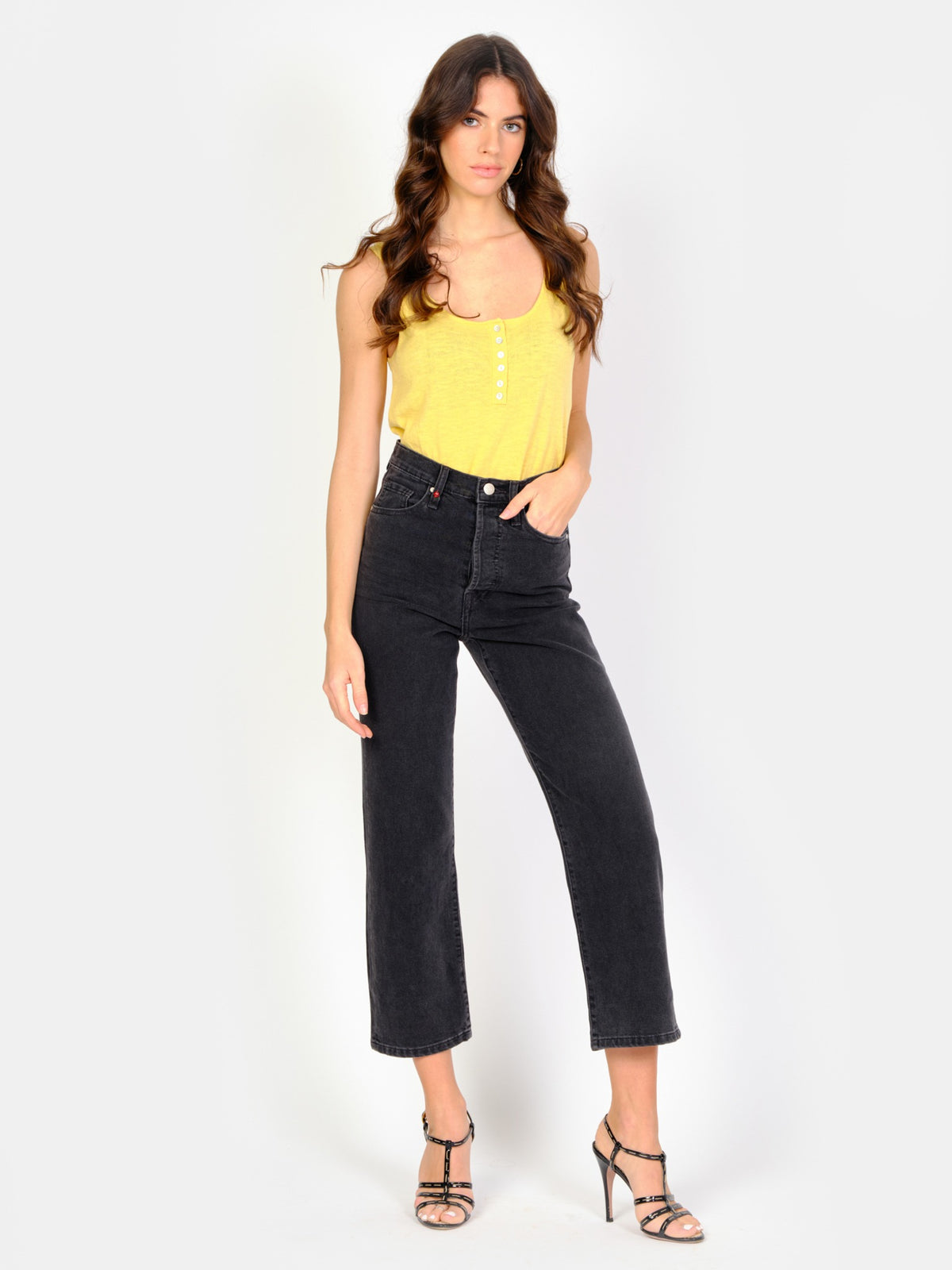
High waist, high-waisted jeans, and ideal jean sizeThe high waist supports the stomach and structures the pelvis. High-waisted jeans provide clear support when the body type is suitable. The ideal jean size always depends on the natural position of the waist on the body, not a standard number. |
Mid-rise jeans and different waist heightsMid-rise jeans offer a popular compromise. Different waist heights serve distinct functions. A well-positioned waist ensures stability and comfort, especially during prolonged wear. |
 |
Adapted jean size and plus sizeAn adapted jean size respects the body without compression. For plus sizes, the cut and waist height strongly influence the look. Visual continuity takes precedence over excessive adjustment. Leg opening, leg opening, and the right shoes at the momentThe leg opening influences the overall perception. The leg opening determines the transition with shoes. The right shoes at the time of wear enhance balance. A shoe that is too massive or too slender changes the perception of the silhouette. Which belt and a small tipThe question which belt often arises. A too-wide belt makes the waist heavy. A too-thin belt lacks structure. A small tip: adapt the belt to the jean's waist height and your body shape. Stone wash and good jean dyeThe wash contributes to visual balance. A well-balanced stone wash adds texture. A good jean dye ensures consistent evolution over washes. |
 |
 |
 |
Current cuts: baggy, wide-leg, barrel, low-rise wide-leg, and boyfriend
Currently, looser cuts are central to denim wardrobes. Their success stems equally from comfort and a modern silhouette. Contrary to popular belief, these cuts are not only suitable for a casual style. When chosen well, they structure the silhouette and give jeans a contemporary value.
The wide-leg jean follows a straight, loose line from the hip to the bottom of the leg. It creates a pronounced verticality and visually elongates the leg when the waist is well-positioned. This cut is particularly suitable for straight figures, body types with prominent shoulders, or women seeking a balance between comfort and structure. A high or medium waist helps to stabilize the volume and prevent a "floating" effect.
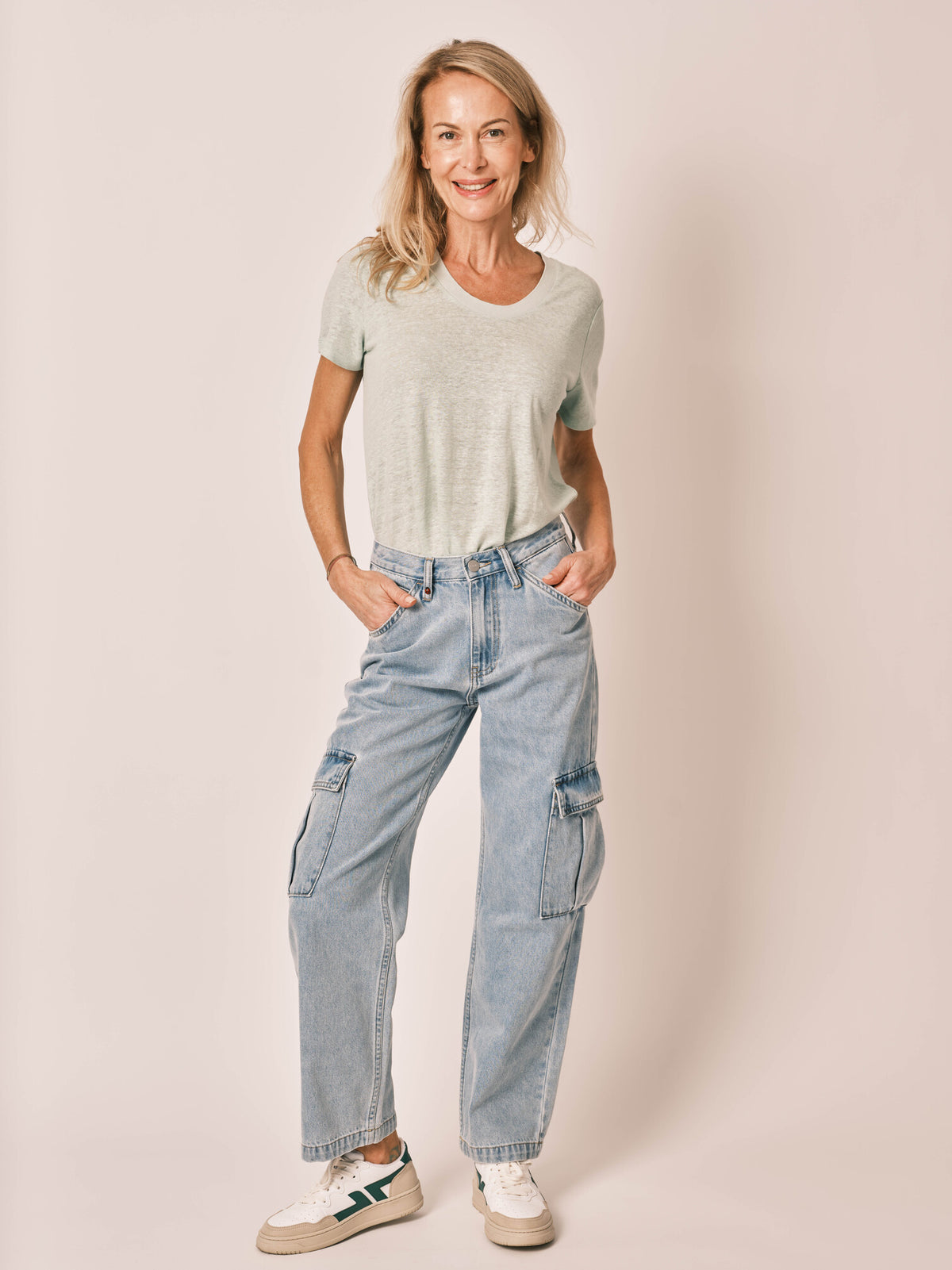
The baggy jean is distinguished by a more pronounced looseness, especially around the thighs and hips. This cut requires particular attention to waist height and material. Worn too low, it can break the silhouette. Worn at the right height, it provides a fluid drape and a relaxed but controlled posture. Baggy jeans are more suitable for slender figures or body types that can handle volume without imbalance.
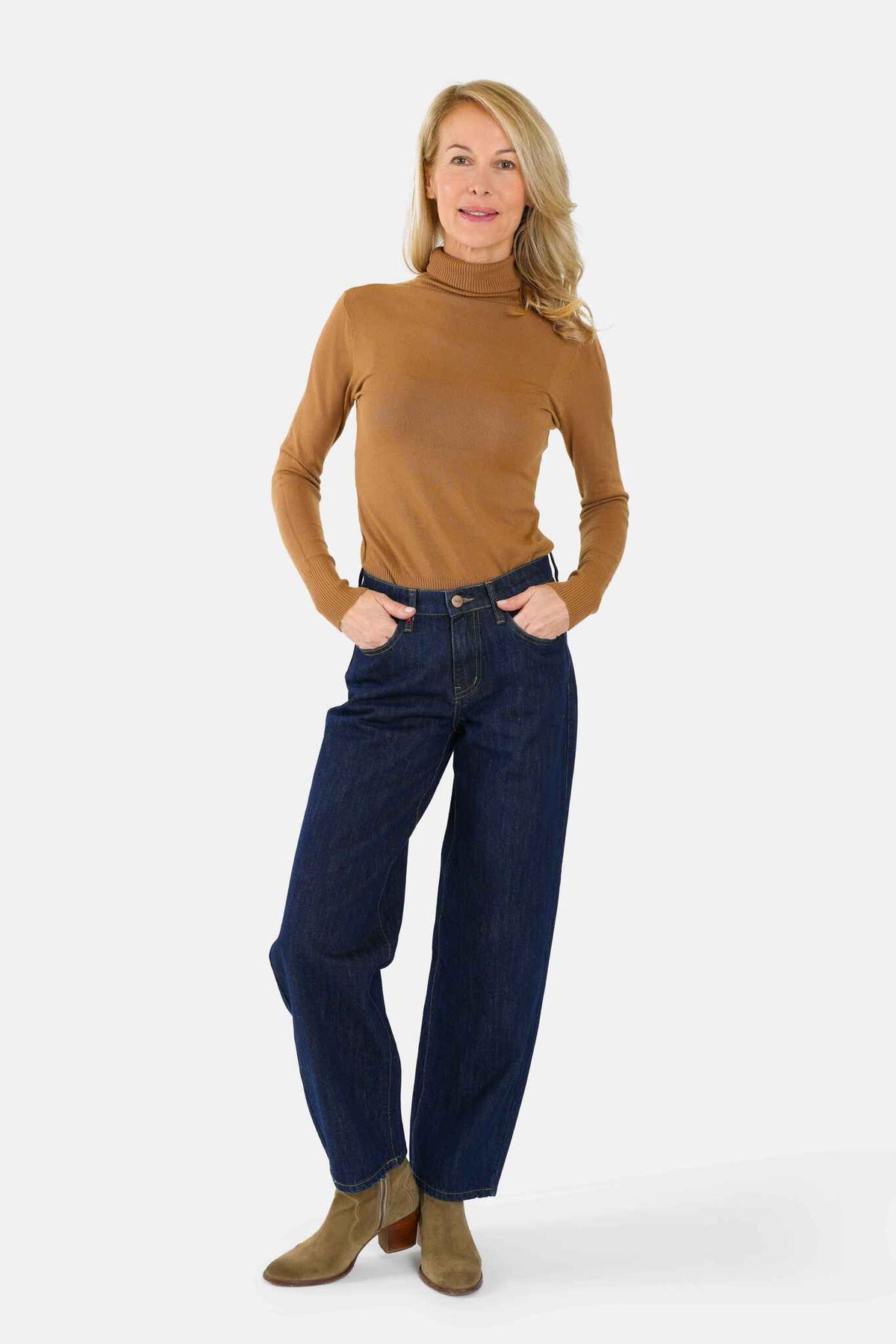
The barrel cut (or balloon) is characterized by a rounded leg, wider at the thigh, and tapered towards the ankle. This shape strongly structures the silhouette and highlights the waist when it is defined. The barrel cut balances generous hips while providing a strong style. Its effectiveness relies on good waist positioning and a controlled leg opening.
The low-rise wide-leg jean, sitting lower on the hips, offers a more fashionable but more demanding look. This cut alters the perception of the torso and leg length. It is primarily suitable for long figures and slender body types. Particular attention must be paid to support, as a too-low waist accentuates the stomach and weakens posture.
The boyfriend jean adopts a loose but more structured cut than the baggy. It relies on a balance between casualness and readability of the silhouette. Often worn slightly fitted at the waist, it provides comfort while maintaining a cohesive line. This cut works well on many body types, provided that excessive volume around the hips is avoided.
These loose and modern cuts do not replace classic cuts. They respond to specific uses and contemporary stylistic expectations. Their success always depends on body type, the chosen size, and the actual function of the jeans